






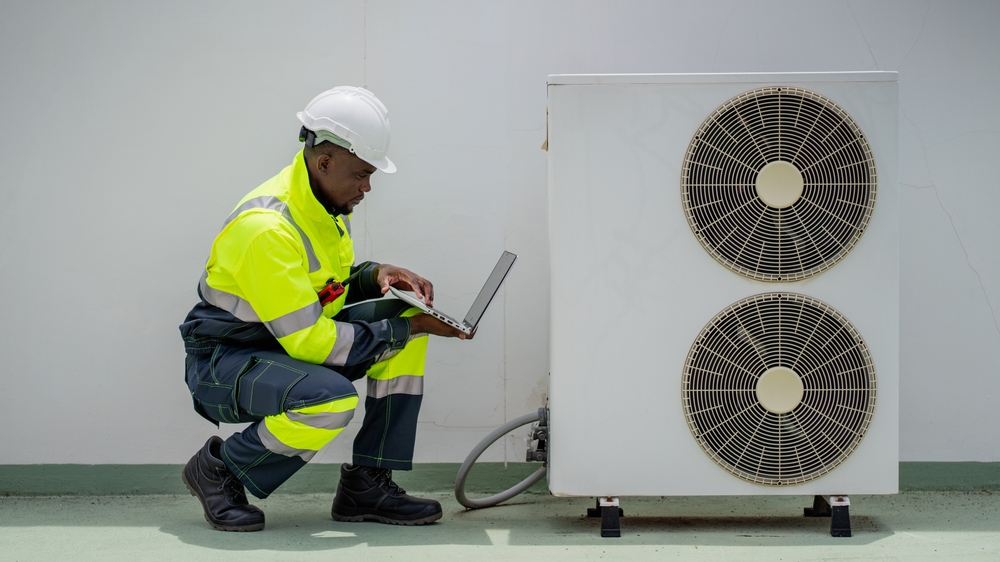
There comes a point with any mechanical system where fixing it stops making sense. That old heat pump outside your Zephyrhills home has probably reached—or is approaching—that point. The signs are familiar: heat pump repair calls happening more often, energy bills creeping higher each year, and some rooms that never quite feel right no matter what you do with the thermostat.
These situations frustrate homeowners because the choice isn’t obvious. The system still runs. Repairs still work. But each fix feels like putting money into something that’s slowly giving up.
Understanding what’s actually changed in heat pump technology over the past decade helps make this decision clearer. Modern systems aren’t just slightly better versions of older equipment—they work fundamentally differently in ways that affect both comfort and long-term costs.
What’s Actually Different About Modern Heat Pumps
Most homeowners assume newer equipment just means higher efficiency numbers on a spec sheet. That’s part of it, but the real changes go deeper.
How Compressors Have Changed
Think about how older heat pumps operate. The compressor—which is essentially the heart of the system—runs at one speed. Full blast or completely off. When your home needs cooling, it kicks on at 100% capacity, runs until the thermostat is satisfied, then shuts down entirely. This cycle repeats all day long.
This approach has problems. Every startup draws a surge of electricity. The house cools down fast, then warms up again while the system sits idle. Humidity removal suffers because the system doesn’t run long enough to pull moisture from the air effectively. And mechanically, all that stopping and starting wears components faster than continuous operation would.
Modern variable-speed compressors work differently. They adjust output based on what’s actually needed. On a mild spring day, the system might run at 25-30% capacity for hours at a time. During a brutal July afternoon, it ramps up higher. But it rarely cycles on and off the way older systems do.
The practical results are noticeable:
- Indoor temperatures stay within a degree or two of the setpoint instead of swinging up and down.
- Humidity control improves dramatically because longer run times remove more moisture.
- Energy consumption drops significantly—often 30-40% compared to single-stage systems.
- Mechanical wear decreases because components aren’t constantly starting and stopping.
- Noise levels drop substantially since the system rarely operates at full capacity.
This isn’t a minor upgrade. It’s a fundamental change in how the equipment functions.
Efficiency Ratings Actually Mean Something Now
You know about SEER ratings for AC. They show cooling efficiency—higher is better, meaning less electricity use.
The way efficiency is tested changed in January 2023. The old SEER ratings are now SEER2, which uses more realistic testing. This means the new ratings are a better guess of what you’ll actually save.
In Florida, the new minimum for heat pumps is 15 SEER2. High-end models hit 20 SEER2 or more. Systems from 2010–2015 were usually 13–14 SEER (old test).
What this means for you: A new 18 SEER2 heat pump uses about 35–40% less electricity than a typical 12-year-old unit for the same cooling. In a warm climate, those savings add up fast.
The Refrigerant Situation
This is one area where older systems face unavoidable problems. Heat pumps manufactured before 2010 used R-22 refrigerant, which is no longer produced in the United States due to environmental regulations.
If your system uses R-22 and develops a refrigerant leak, getting it repaired becomes expensive—sometimes $100-200 per pound for refrigerant when it’s available at all. A typical heat pump repair involving significant R-22 recharge can cost more than makes sense given the system’s remaining useful life.
Current equipment uses R-410A or the newer R-454B refrigerant. These are readily available at reasonable prices, making future repairs more practical.
Why Florida Conditions Matter
Heat pump performance varies significantly based on climate. What works well in Virginia operates differently in Zephyrhills.
The Humidity Factor
Florida’s high humidity makes homes feel uncomfortable, even at 74°F, leading to unnecessarily low thermostat settings. Older heat pumps cool quickly but leave moisture behind. Variable-speed systems control humidity better by running longer at reduced capacity, making homes feel comfortable at higher temperatures and reducing mold/mildew issues.
Year-Round Operation
In northern states, heat pumps get significant downtime. Florida systems run almost continuously from March through November for cooling, then switch to heating for occasional cold stretches.
This extended runtime accelerates wear. Components that might last 20 years in Pennsylvania last 12-15 in central Florida simply because they’re operating three times as many hours annually.
Variable-speed systems experience less mechanical stress despite this heavy use. Without constant cycling, compressors and motors last longer. The math on equipment lifespan actually favors spending more upfront on technology that wears more gracefully.
Temperature Extremes
Zephyrhills summers push air conditioning systems hard. Outdoor temperatures above 95°F stress older equipment significantly—efficiency drops, capacity decreases, and systems struggle to keep up.
Modern systems maintain performance better across extreme conditions. Improved compressor technology, better heat exchangers, and smarter controls help equipment handle the hottest days without the degradation older systems experience.
The Money Question
Every homeowner facing this decision wants to understand the financial reality. Honest assessment requires looking at multiple factors.
What Repairs Actually Cost Over Time
A single repair might seem manageable—$400 for a capacitor, $800 for a contactor and fan motor. But repair patterns in aging systems tend to accelerate. What happens with one component often signals stress on others.
A system needing $1,200 in repairs this year might need $800 next year and $1,500 the following year. That’s $3,500 over three years in a system with diminishing remaining life. Meanwhile, the equipment keeps using more electricity as efficiency degrades.
At some point, that money would have provided new equipment with warranty coverage and significantly lower operating costs.
The Energy Cost Reality
Electricity rates in Florida have increased roughly 25% over the past five years. A heat pump consuming $200/month in electricity versus one consuming $130/month creates $840 in annual savings—savings that grow as rates continue rising.
Over a 15-year equipment lifespan, that efficiency difference can total $12,000-15,000 in energy costs alone.
Tax Credits and Incentives
Federal tax credits currently available make 2026 a favorable time for heat pump upgrades. The Inflation Reduction Act provides a 30% credit on installation costs for qualifying high-efficiency heat pumps, up to $2,000 annually.
Qualifying generally requires efficiency ratings of 16+ SEER2 and 9+ HSPF2. Many current models meet these thresholds.
This credit directly reduces federal tax liability—different from a deduction. A $9,000 installation meeting requirements could yield $2,000 back at tax time.
Many Florida utilities also offer rebates for high-efficiency equipment, though specific programs vary and change periodically.
What Replacement Actually Costs
Basic heat pump replacement in Florida typically ranges from $6,000-12,000 depending on system size, efficiency level, and installation complexity. High-efficiency variable-speed systems fall toward the upper end of this range.
When tax credits, utility rebates, and energy savings are factored in, the net cost difference between mid-range and high-efficiency equipment often narrows considerably over the system’s lifetime.
When Replacement Makes More Sense Than Repair
Certain situations push the math clearly toward replacement:
- Age beyond 12 years: Systems in Florida climates have consumed most of their useful life by this point. Major components will begin failing regardless of maintenance quality.
- R-22 refrigerant: Any system requiring R-22 faces a limited and expensive future. The refrigerant situation alone often justifies replacement.
- Repair costs exceeding 50% of replacement: When a single repair approaches half the cost of new equipment, continuing to invest in the old system rarely makes financial sense.
- Multiple component failures: When technicians mention that several parts show age-related wear, the system is telling you something. Fixing one component often reveals the next failure.
- Comfort problems that repairs don’t solve: If rooms stay uncomfortable despite a functioning system, the equipment may be undersized, improperly installed, or simply incapable of meeting current needs.
- Energy bills are climbing despite consistent usage: Gradual efficiency loss is normal in aging equipment. When it becomes noticeable in utility bills, the decline has become significant.
What Good Installation Involves
Equipment quality matters, but installation quality matters just as much. A poorly installed high-efficiency system won’t perform as it should.
Proper Sizing
Heat pumps need to match the home’s actual heating and cooling requirements. Oversized systems cycle too frequently, shortening equipment life and hurting humidity control. Undersized systems run constantly without ever catching up.
Proper sizing requires load calculations based on your specific home—square footage, insulation levels, window types, ceiling heights, orientation. “Same size as the old one” isn’t adequate reasoning since homes change over time and original equipment may have been incorrectly sized.
Ductwork Assessment
The best heat pump can’t overcome bad ductwork. Leaky ducts waste 20-30% of conditioned air into attics and crawl spaces. Undersized ducts restrict airflow and reduce efficiency. Poorly designed duct systems create hot and cold spots regardless of equipment quality.
Quality installations include duct inspection and often recommend sealing or modifications to maximize new equipment performance.
Electrical Considerations
High-efficiency heat pumps may have different electrical requirements than older equipment. Panels and circuits sometimes need updating to handle new systems safely and meet code requirements.
Thermostat Compatibility
Variable-speed equipment benefits significantly from communicating thermostats that can take full advantage of modulating capability. Basic thermostats work but may limit system features and efficiency potential.
Finding the Right Contractor
Installation quality depends entirely on who does the work. Differences between contractors matter more than many homeowners realize.
What to look for:
- Actual load calculations: Contractors who size equipment based on measurement and calculation rather than rules of thumb, deliver better results.
- Willingness to evaluate ductwork: Installers focused only on equipment sales may ignore duct problems that limit system performance.
- Clear explanation of options: Good contractors explain tradeoffs between efficiency levels and price points without pressuring toward the most expensive option.
- Licensing and insurance verification: Florida requires HVAC contractors to hold appropriate licenses. This protects homeowners if something goes wrong.
- References from actual customers: Track records matter. Companies serving communities long-term tend to prioritize doing things right.
RMR Air Conditioning is a trusted, family-owned business serving the Zephyrhills area for 15 years. We specialize in residential AC, ensuring our technicians are up-to-date on the latest heat pump technology through monthly training. As a Chamber member, our focus on honest assessments and recommending what homeowners truly need.
Conclusion
Modern heat pumps represent a genuine advancement over equipment from even a decade ago. Variable-speed technology, improved efficiency, better refrigerants, and smarter controls create real differences in comfort, operating costs, and equipment longevity.
For Zephyrhills homeowners dealing with aging systems—frequent repairs, rising energy costs, comfort problems that won’t resolve—upgrading makes practical sense. The combination of available tax credits, utility incentives, and energy savings reduces the effective cost of replacement significantly.
The decision isn’t purely financial, though. Living with equipment that actually maintains comfortable, properly dehumidified conditions throughout the home is simply a better experience than fighting with a system that’s past its prime.
CTA
Thinking about heat pump replacement in Zephyrhills? RMR Air Conditioning provides free estimates with upfront pricing, no surprises or pressure. Call our team to get your system assessed today.
FAQs
How long does a heat pump installation typically take?
Most straightforward replacements complete in one day. Installations requiring ductwork modifications, electrical upgrades, or complex configurations may extend into a second day.
Will a new heat pump make my home more comfortable, or just save money?
Both, usually. Variable-speed systems maintain more consistent temperatures and control humidity far better than older single-stage equipment. Many homeowners notice comfort improvements immediately—especially related to humidity.
My current system still works. How do I know when it’s time to replace?
Age, repair frequency, energy costs, and comfort all factor in. Systems older than 12 years in Florida climates are approaching end of useful life. When repairs become frequent or costs climb noticeably, the math usually favors replacement.
What SEER2 rating should I look for?
Higher efficiency costs more upfront but saves more over time. In Florida’s heavy-use climate, 16-18 SEER2 systems often provide the best balance of initial cost and long-term savings. Systems below 16 SEER2 may not qualify for federal tax credits.
Can I keep my existing thermostat with a new heat pump?
Basic thermostats will function, but you may lose access to features that maximize variable-speed equipment benefits. Communicating thermostats designed for modern systems typically provide better performance and efficiency.


