





You lower the thermostat and stand near the vent, waiting for relief. Air keeps moving, but the room still feels warm, sticky, and irritating. That moment confuses a lot of homeowners because airflow makes the system seem alive. In many cases, AC is blowing air but not cooling happens when hidden parts start failing behind the scenes. A clogged filter, weak capacitor, frozen coil, or refrigerant issue can slowly kill cooling performance. Your system may still run loudly, but the comfort inside your home starts disappearing fast.
1. Your Thermostat Might Be Creating Chaos
People blame the air conditioner first. Fair enough. But sometimes the thermostat quietly starts the entire mess. A thermostat controls timing, temperature readings, and cooling cycles. Once readings become inaccurate, your system starts making bad decisions. It may shut off cooling too early or keep the fan running without producing cold air. One common mistake happens when fan settings switch from “auto” to “on.” Air still moves through vents, but cooling cycles stop when they should continue. Homeowners feel airflow and assume the system still works normally.
Sunlight hitting the thermostat can also throw temperatures off badly. Kitchens create similar trouble. Heat from cooking areas fools the thermostat into reading temperatures incorrectly, causing uneven cooling across the house. Then there are aging thermostats. Older units lose accuracy over time. Some react more slowly during hotter days. Others struggle after electrical fluctuations hit internal wiring. That tiny device on your wall controls everything. Once it starts slipping, comfort inside your home drops fast.
2. Low Refrigerant Changes Everything
Your AC removes indoor heat using refrigerant. Without proper refrigerant levels, cooling performance weakens significantly. At first, the change feels minor. Rooms cool more slowly. Air from vents feels less crisp. Then, afternoons become uncomfortable even while the system runs nonstop. Many homeowners ignore early refrigerant leak symptoms because cold air still appears sometimes. That delay usually turns smaller repair work into heavier damage later.
One hidden leak can slowly drain cooling strength week after week. Ice may begin forming around refrigerant lines. Hissing sounds sometimes appear near indoor coils. Humidity levels rise indoors because the system loses its ability to pull moisture from the air properly. Meanwhile, your AC keeps working harder trying to hit thermostat settings it can no longer reach. Compressors heat up. Energy bills climb. Cooling cycles stretch longer every day.
3. Outdoor Coils Get Dirtier Than Most People Realize
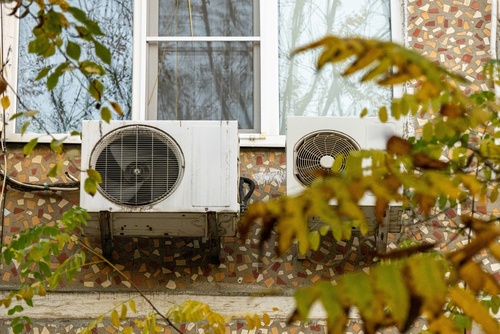
Your outdoor condenser unit handles brutal conditions daily. Rain, grass clippings, dirt, leaves, dust, and heat keep attacking those coils nonstop. Once debris starts covering condenser fins, heat removal slows down badly. That is where dirty condenser coil cooling issues begin, creating serious cooling loss inside your home. Your AC may still sound normal during this stage. Fans spin. Air blows indoors. Yet heat trapped inside the system keeps building because the condenser coils cannot release it properly outdoors.
This problem becomes obvious during hotter afternoons. Your system runs for long stretches while temperatures barely drop indoors. Some rooms feel warmer than others. Utility bills start climbing harder, too. Homeowners often spray the outdoor unit lightly with a hose and assume the issue is fixed. Surface rinsing helps only a little. Deep buildup between coils still blocks airflow heavily. Restricted outdoor airflow forces your AC to fight harder every hour it runs. That extra strain beats down compressors and fan motors over time.
4. Weak Indoor Airflow Can Ruin Cooling Performance
Dirty air filters create one of the biggest airflow problems inside homes. A clogged filter traps dust so heavily that airflow volume drops significantly. The system keeps running, yet cooled air barely circulates through the vents. Then homeowners start closing vents in unused rooms, trying to cut energy costs. That move usually backfires. Pressure builds inside the ductwork, and airflow balance shifts badly across the house. Damaged ducts create another hidden problem. Cold air escapes into attic spaces before reaching bedrooms or living areas. Your AC works overtime cooling areas nobody uses.
Another mistake homeowners make is forcing thermostat settings lower and lower, hoping colder air suddenly appears. That only keeps the system running longer while internal strain keeps rising. Your AC depends on balanced airflow, stable refrigerant pressure, clean coils, and healthy electrical operation. Once one part weakens, cooling performance starts slipping across the entire system.
5. Electrical Failure Can Hit Without Warning
Air conditioners depend heavily on electrical parts working together at the same time. One weak component can destroy cooling performance instantly. Capacitors help motors start properly. Contactors move electrical current between indoor and outdoor equipment. Relays manage cooling cycles. Once any of those parts weaken, strange behavior starts showing up fast. Some systems begin clicking repeatedly during startup. Others shut off randomly before reaching target temperatures.
That creates one of the most frustrating situations possible. Air still blows through vents, but the house never cools down. Electrical damage also builds heat inside motors and compressors. Delaying repairs during this stage can lead to much larger breakdowns later. Your AC cannot operate properly while electrical parts struggle under pressure. Once those components weaken, cooling performance falls hard and fast.
A cooling system that runs without lowering temperatures is sending a serious warning signal. Weak airflow, rising humidity, nonstop cycling, and uneven room temperatures all point toward trouble building inside your equipment. Small issues rarely stay small during heavy summer heat. The strain keeps building until the cooling performance finally crashes. Catching problems early protects major components and helps your system hold steady during brutal temperatures. When your home feels warm while vents still blow air, your AC is already telling you something is wrong. Listening early can save comfort, money, and long nights spent fighting indoor heat.
“Your AC should cool your home, not leave rooms feeling hot and heavy. Weak airflow, nonstop cycling, humidity, and warm vents signal trouble inside the system. Contact our experts at RMR Air Conditioning for fast cooling solutions. Call 813 778-3993 today.”
FAQs
1. Why does my cooling system struggle during summer afternoons in New Tampa, FL?
Homes across New Tampa, FL, often place heavy pressure on cooling equipment during hotter months. Long cooling cycles can expose airflow restrictions, dirty coils, or failing electrical components that weaken indoor comfort.
2. Can airflow problems worsen in homes around Crystal Springs, FL?
Yes, many homeowners throughout Crystal Springs, FL, notice reduced airflow when ductwork leaks, filters clog heavily, or blower motors begin losing strength after years of operation.
3. Why does my house stay warm even when airflow feels normal in Dade City, FL?
Homes in Dade City, FL, may experience this issue when refrigerant levels drop or outdoor condenser units struggle to release heat during extreme outdoor temperatures.


